When most people think about health and wellness, they often think about exercise routines, healthy recipes, vitamins, or drinking enough water. While all are significantly important, we have to make light of the health that goes far beyond what is on our plates. It also includes the systems surrounding food: preservation, sanitation, and safety.
Before my global health experience in Barbados, I had never heard the word botulism. My peers and I were sitting in on a lecture at Ross University School of Medicine that centered on neuroscience, and that’s when I learned about this unsettling topic. Botulism is a rare but fatal illness caused by toxins produced by the bacterium Clostridium botulinum. This is especially dangerous because toxins attack the nervous system and, in severe cases, can lead to muscle paralysis, breathing difficulties, and potentially death if left untreated.
How?
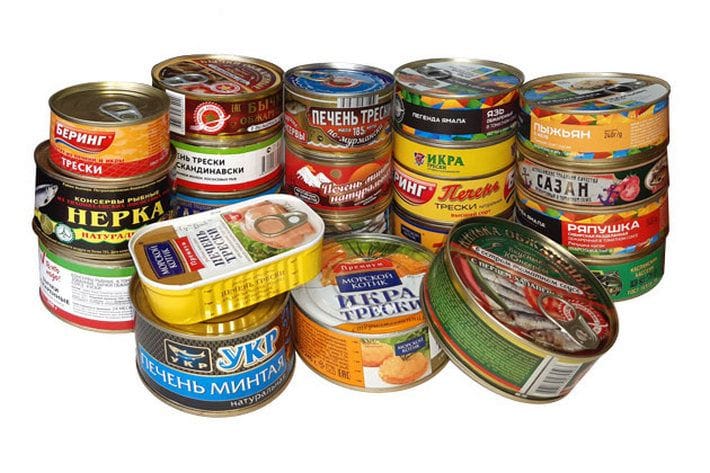
What shocked me the most was realizing that this dangerous illness can develop in everyday environments that many people would never think twice about. Botulism can develop in low-oxygen conditions in improperly canned, fermented, or preserved foods. Proving that food storage and preparation can become serious public health concerns. Understanding what to eat is just as important as understanding how we store what we consume. Botulism is a perfect example of why health education matters.

Along with storing methods, other things like wounds getting affected by bacteria or infants consuming bacterial spores can contribute to developing botulism.
One health fact I learned was that babies under the age of one should never consume honey. Honey can contain bacterial spores that are not digestible by infants due to their immature digestive system. In adults and older children, the body is able to prevent those spores from becoming harmful. In infants, these spores can grow inside the intestines and produce toxins that lead to infant botulism. This reminded me that natural does not always mean safe for everyone and pushed me to think more critically about how health information is communicated to the public. There are so many health facts that people may never learn when they lack access.
Prevention
- Follow canned food guidelines https://nchfp.uga.edu/resources/category/usda-guide
- Refrigerate oils infused with garlic or herbs
- Pressure canning
- Date containers and store them in a clean place (50-70 degrees Fahrenheit)
- Boil home-canned foods before eating
Signs canned goods are no longer safe to eat:
- Swollen or bulging cans
- Dents, leaks, or rust
- Foul smell upon opening
- Visible mold or color changes
- Fizzing when opening (sign of fermentation)
Studying global health in Barbados challenged me to think about healthcare in a broader way: culture, food systems, and access to care all influence health outcomes. Conversations surrounding wellness often become focused on trends or quick fixes, but true wellness requires prevention and accessibility. Understanding the science behind what keeps communities safe and healthy. Leaving Barbados gave me more than memories; it gave me a deeper appreciation for the complexity of health. Building my desire to continue learning how food, science, and public health intersect. Experiences like these shape the kind of healthcare advocate I hope to become in the future because wellness is not personal; it’s communal.
“Look to the nervous system as the key to maximum health.”
– Galen


