Today is the start of the month where we honor the brilliance, resilience, and legacy of Black people, but especially the labor, survival, and wisdom of Black Women. Black women have always fought to be heard, in policy, history, in classrooms, and most of all, in exam rooms. From midwives to community healers who preserved herbal medical traditions, Black women have always been the backbone of health in our communities, even when the healthcare system refused to protect us.
Healthcare should be one of the places where we feel safe, seen, and believed in, but for many of us, the reality is different. Our pain is minimized, our symptoms are brushed aside, and our bodies are misunderstood long before they’re ever supported. No matter what we face, the message remains the same: Black women have to fight harder to receive the care and urgency we deserve.
This Black History Month, I want to talk about one of the most revolutionary forms of resistance Black Women can practice today: advocating for ourselves in the healthcare system.
It’s how we honor the women who weren’t heard. And it’s how we protect the women who will come after us.
Know Your Body – The First Layer of Advocacy
The most important expert on your body is you. For Black women, especially those living with misunderstood conditions like PCOS, endometriosis, fibroids, or chronic fatigue, learning the rhythms, patterns, and signals of your body is an act of power. It makes your voice harder to dismiss and your concerns harder to minimize. Becoming fluent in your own health is where advocacy starts.
Historically, doctors have underestimated or overlooked our symptoms, from pain levels to menstrual irregularities. Walking in with organized information allows you to document exactly how you’re feeling.
Tracking a few things can change everything:
- Menstrual cycles dates + patterns (length, flow, cramps, spotting)
- Energy levels (When do you feel fatigue or foggy?)
- Skin changes (Acne flare-ups, dryness, inflammation)
- Digestive patterns (Bloating, bowel movements, nausea)
- Foods that trigger symptoms (Notice what supports you vs. what throws things off)
- Sleep (Hours, quality, night sweats)
Tools that make tracking easy
- Notes app
- Stardust or Flo
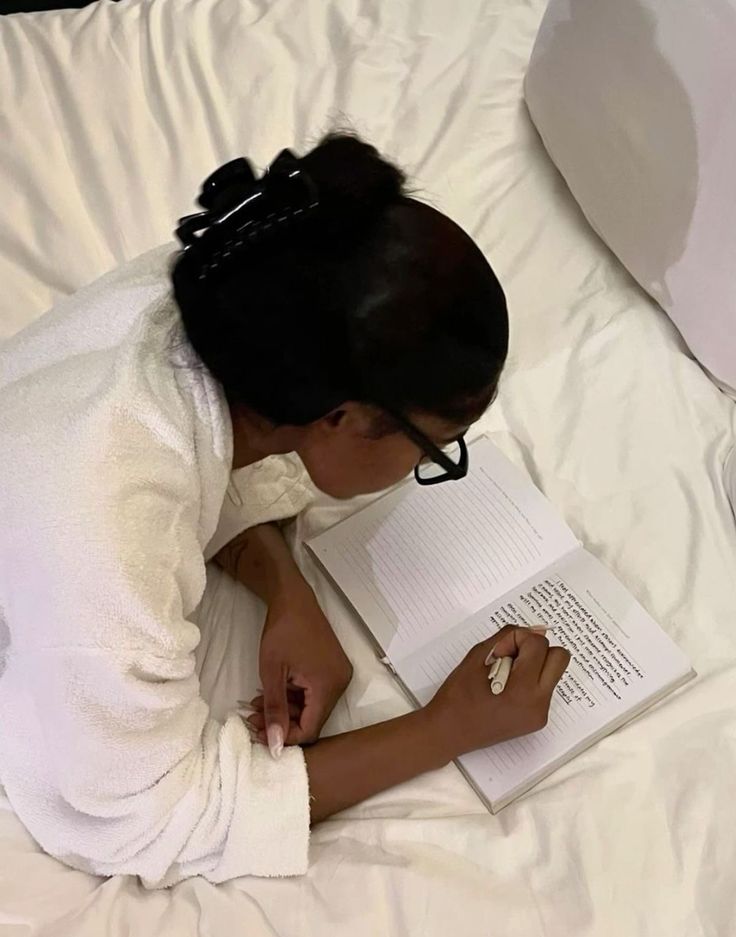
- A physical journal
This allows the conversation to shift from “I don’t feel good” to “I’ve had pelvic pain for 12 days this month, I’m sleeping 8-9 hours but still waking up fatigued, my period cramps have become more erratic) This kind of clarity demands attention, and attention is protection.
Ask Direct, Confident Questions
Sometimes we may not walk in with a full understanding of what we may need, so asking clear, calm, direct questions can remind your provider that you are an active participant in your own care. Think of these questions as your healthcare toolkit, ones that honor your symptoms and ensure that your care doesn’t happen without you.
- “Can you explain why you’re recommending this?” (prevents blind agreement)
- “What alternatives do I have?” (you deserve to hear all options)
- “Can I have copies of all my results, notes, and labs?” (allows you to keep control of your own medical record, critical for long-term conditions)
- “Can you walk me through the timeline of the next steps?” (prevents vague promises)
- “Can you note in my chart that I requested further evaluation?” (signals accountability and attentive shift from the provider if their tone becomes dismissive)
Why Questions Matter So Much for Black Women
Medical bias often shows up through:
- rushed explanations
- skipped alternatives
- assumptions about your pain tolerance
- being talked “at” instead of talked “with.”
You are allowed to take up space in that room, and being thorough opens that door for respect and sufficient healthcare.
If Something Feels Off, Say So
When you are being dismissed, choose to speak up again anayway. It shouldn’t be our reality to have to fight for accuracy or urgency, but the reality is we often have to. Standing firm when your body is telling you something isn’t right is where that advocacy continues.
We are often labeled as dramatic, strong enough to handle it, or just stressed. These types of stereotypes aren’t harmless; they delay diagnoses and silence real suffering. Start with:
- “This pain isn’t normal for me.”
- “I’ve been tracking this, and it’s getting worse”
- “I want additional testing or a second opinion.”
If there is continuous pushback or dismissal: “Can you please document in my chart that you are declining further evaluation for my symptoms?”
Repeat yourself, you are not being difficult, emotional, or dramatic. You are advocating, and that is a skill every Black woman deserves to master.
Build a Healthcare Team That Sees You
We must choose providers that treat our concerns with seriousness, respect, and cultural understanding. You should not have to shrink yourself or over-explain your symptoms to receive basic care.
What a Supportive Provider Looks Like
- Listens without interruption
- Asks clarifying questions
- Takes your pain seriously
- Explains thinsg wiithout dismissiveness
- Offers options instead of ultimatums
- Treats your care as a partnership
It might be time to move on if your provider:
- Constantly brushes off your symptoms
- Talks down to you or over you
- Assumes your pain is normal
- Only offers birth control as a “solution”
- Ignores how your hormones, stress, or culture affect your health
- Makes you feel rushed or unheard
If possible look for providers who understand:
- Black women’s health disparities
- The ways PCOS presents differently in women of color
- Cultural eating patterns
- The historical trauma tied to Black health
These providers can be:
- Black women physicians
- Black nurse practitioners
- OB-GYNs who specialize in hormonal health
- Specialists in nutrition, endocrinology, or reproductive health
Black women have always held communities together. It is not too much to expect a medical team that supports us with the same commitment we give the world.
Advocating for ourselves in the healthcare system isn’t just a skill; it’s a part of a legacy. Black women have navigated healing without access, without protection, and without the basic dignity of being cared for. Yet we have still learned, adapted, and created remedies that have preserved knowledge that kept entire communities alive.
Refusing to shrink in exam rooms honors Black History Month. Trusting your symptoms, asking questions, choosing better providers, and walking away from care that doesn’t honor your community strengthens your advocacy.
“My health matters, and I will protect it.”
And that is one of the most powerful forms of resistance we can offer — not just this month, but always.
“When women take care of their health, they become their own best friend.”—Maya Angelou


