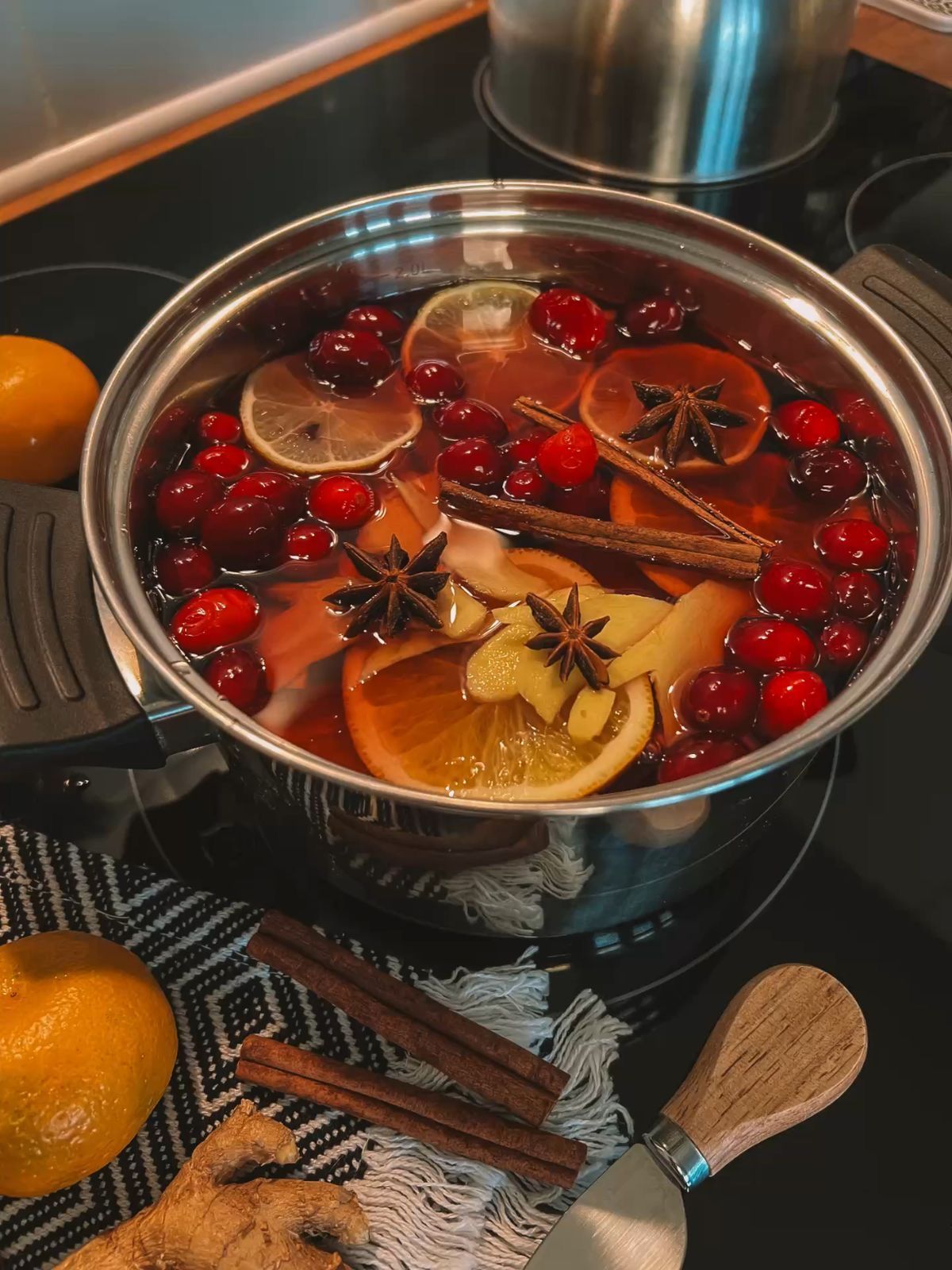
The holidays are my favorite time of year, especially with the decorations and festivities in NYC amplifying the spirit; it is impossible not to feel like it is the most wonderful time of the year.
Before the holidays are fully visible, they’re felt. In the warmth of the air, but most excitingly, the kitchen. In the familiar scents that signal comfort before anything reaches the table. Cinnamon, ginger, clove, and nutmeg, these spices shape how the season feels.
These spices have been used across cultures for centuries, not just for taste, but for the way they support our bodies during colder, slower months.
Why Spices Matter in Winter
As winter arrives, the body naturally shifts its priorities. The says become colder and shorter, digestion slows and as energy is conserves circulation becomes less efficient. Spices help support this shift by gently reintroducing warmth and stimulation from within.
In many traditional food cultures, spices are considered essential during colder months because they help meals feel easier to digest. They encourage circulation, stimulate digestive enzymes, and help the body extract nourishment more efficiently from food.
What we often describe as “comfort food” is not just emotional, it’s physiological. The body recognizes when something is supportive, and spices have long played a role in meeting those needs.
Cinnamon
- Helps improve insulin sensitivity.
- Supports balanced blood sugar levels (esp. important because sweets & refined carbohydrates are abundant during the holidays).
- Can be sprinkled into oatmeal, warm drinks, or cold (eggnog enthusiast), or added to savory dishes.
Ginger
- Stimulates digestion and circulation.
- Activates digestive enzymes.
- Reduces bloating.
- Supports internal movement (maintain balance).
- Has anti-inflammatory properties.
- Can be used in teas, broths, warm drinks, or smoothies.
Clove and Nutmeg
- Both contain compounds with antimicrobial and antioxidant properties.
- Nutmeg = sweet and savory, Clove = warming and protective.
- Enhances both sweet and savory dishes.
Allspice
- Supports digestion and circulation.
- Tastes like a blend of cinnamon, clove, and nutmeg.
- Popular in Caribbean and holiday cooking.
Anise
- Antimicrobial and digestive-supporting
- Licorice-like, gently sweet
- Common in mulled drinks and broths
Cranberry: Winter’s Bright Note
Cranberries are one of the few fruits that thrive in colder climates, and their flavor is tart, bold, and cleansing, cutting through the heaviness of winter foods. Cranberries add contrast to the warmth spices bring.
Cranberries are rich in polyphenols and antioxidants, which help combat inflammation and support immune health during these ice-cold months. Their tartness stimulates digestion and saliva production, helping the body process heavier meals more efficiently. They also carry amazing benefits that support urinary tract health. Cranberry serves the role of being the acidic or tart element of meals.
How to Include Cranberry This Season
- Dried cranberries in quinoa salad (my all time favorite)
- Dried cranberries and nuts
- Fresh cranberry sauce spread over your favorite holiday dish
- Maybe experiment and create a cranberry mocktail
Cranberries may not be spices but they play a crucial role in winter nourishment.
The spices we gravitate toward during winter are not chosen at random. They reflect what the body needs during this season: warmth, steadiness, and gentle support.
By leaning into spices with intention, we honor both tradition and intuition. We allow food to be more than fuel; it becomes a source of care, connection, and grounding as we move through the final weeks of the year.
“Christmas is like candy; it slowly melts in your mouth sweetening every taste bud, making you wish it could last forever.”
– Richelle E. Goodrich


