Fresh fruits and vegetables are some of the healthiest foods we can eat, but what happens when they carry something we can’t see? Let’s talk about Cyclospora, a microscopic parasite that reminds us why food safety is just as important as nutrition.
What is Cyclospora?
Cyclospora cayetanensis is a microscopic single-celled parasite that causes an intestinal illness known as cyclosporiasis. The parasite originates from human fecal matter and spreads primarily through contaminated food or water. Once ingested, this parasite can infect the small intestine and interfere with the body’s ability to absorb nutrients and water, leading to gastrointestinal illness. Cyclospora has been around for years, with cases dating back to 1977 in Papua New Guinea. The parasite needs 1-2 weeks in the environment to mature to an infectious stage, so it is not spread from person to person. During this time, it can survive in soil and water, making fresh produce irrigated or washed with contaminated water a common source of infection. The parasite is most commonly found in tropical and subtropical regions, where environmental conditions favor its survival and transmission.
How Do People Get It?
The parasite is shed in the feces of infected individuals and can contaminate irrigation water, soil, or fresh produce if proper sanitation practices are not followed. Fresh produce is the most common source because many fruits and vegetables are eaten raw and receive little or no cooking before consumption. Many recalls have involved produce sold through multiple grocery chains such as Sam’s Club, Walmart, Kroger, Costco, Trader Joe’s, McDonald’s, Taco Bell, Chipotle, and Subway. While anyone can become infected, outbreaks have been linked to foods such as:
- Bagged Salads
- Cilantro
- Basil
- Raspberries
- Snow Peas
- Fresh Herbs and Leafy Greens
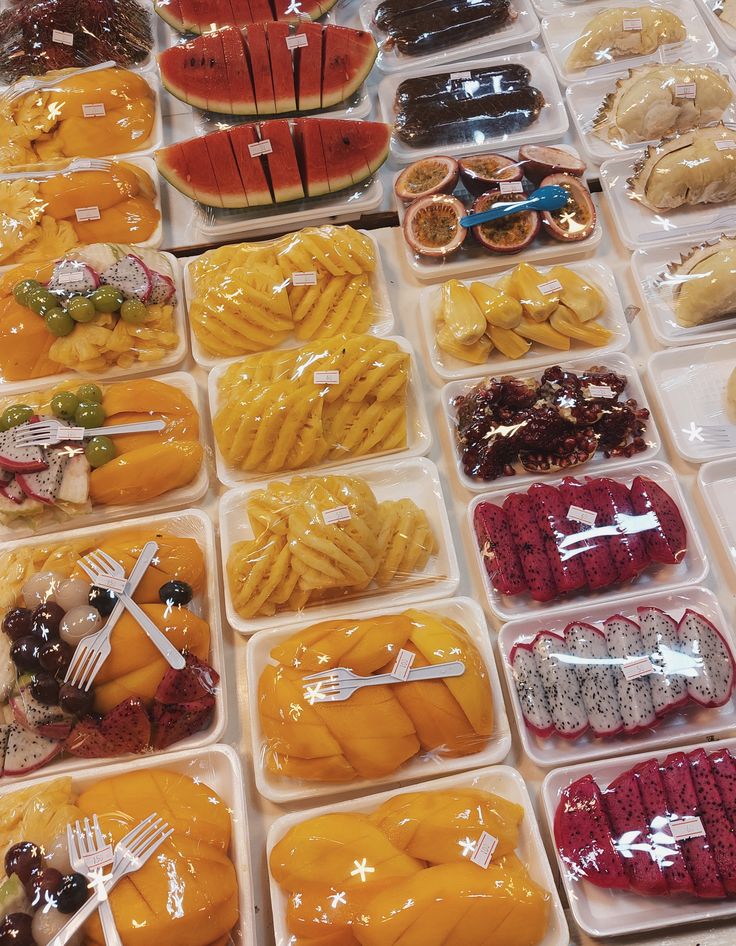
- Pre-cut fruits
The best way to stay informed is to follow recall announcements from the FDA, CDC, and local health department rather than relying on social media posts.
Can You Prevent It?
You can lower the risk of obtaining this illness by:
- Washing fresh produce with baking soda and vinegar allowing it to soak for a few minutes.
- Staying up to date on food recalls.
- Avoid drinking untreated water from lakes, streams, springs, or other natural water sources.
- Choose foods that you can Cook, Peel, or Boil. If not, Forget it!
Who Is Most At Risk?
- Young children
- Elderly
- People with weakened immune systems, such as those receiving chemotherapy, organ transplants, or people with other immune disorders.
Symptoms usually begin about one week after eating contaminated food, and symptoms may include
- Watery, painful diarrhea.
- Stomach cramps.
- Nausea.
- Fatigue.
- Loss of appetite.
- Weightloss.
- Dehydration.
Stay hydrated by drinking plenty of fluids, and do not start anti-diarrhea medications without speaking with a trusted healthcare provider.
Why Does It Make You Sick?
Your small intestine is the part of your digestive system that is responsible for absorbing most of the nutrients and water from the foods you eat. There, when the parasite travels through the digestive tract, reaching the small intestine, the parasite invades the cells lining and begins to reproduce. As the parasite multiplies, the lining of the small intestine is damaged. In a stomach that does not have Cyclospora floating around, the lining of the small intestine is covered with villi, which allows for vitamins, minerals, water, and other nutrients to be absorbed. When Cyclospora takes over, this lining becomes less efficient, causing things to remain in the intestines. This reduced absorption of nutrients leads to symptoms like dehydration, fatigue, and weight loss. The immune system also triggers inflammation, and while important, it can irritate the digestive tract in this case and lead to nausea, bloating, and gastrointestinal discomfort.

Why Does This Matter?
Cyclospora highlights the important connection between food safety, public health, and nutrition. We talk a lot about sourcing fresh foods and ingredients for our diets, but we need to acknowledge that the journey from farm to fork makes space for many opportunities for contamination if proper sanitation procedures aren’t followed.
Staying informed, practicing safe food handling, and supporting strong food safety systems all play a role in protecting our health and the health of our communities. A balanced table is filled with nutritious foods, but most of all, knowledge and the confidence to make informed choices.
“And lastly, summer 2026. Half my country has explosive diarrhea & half my country can’t read.”


