Food insecurity is on the rise, and it is deeply connected to public policy. Decisions about school meals, nutrition assistance programs, food safety, transportation, and affordable housing all influence whether families can consistently access healthy, nutritious food. Food pantries, donations, and health education are important efforts to address this issue, but they do not completely address the systems that create food insecurity in the first place. Here are some ways we can increase civic engagement and awareness of the need for healthier communities.
1. Vote in Every Election
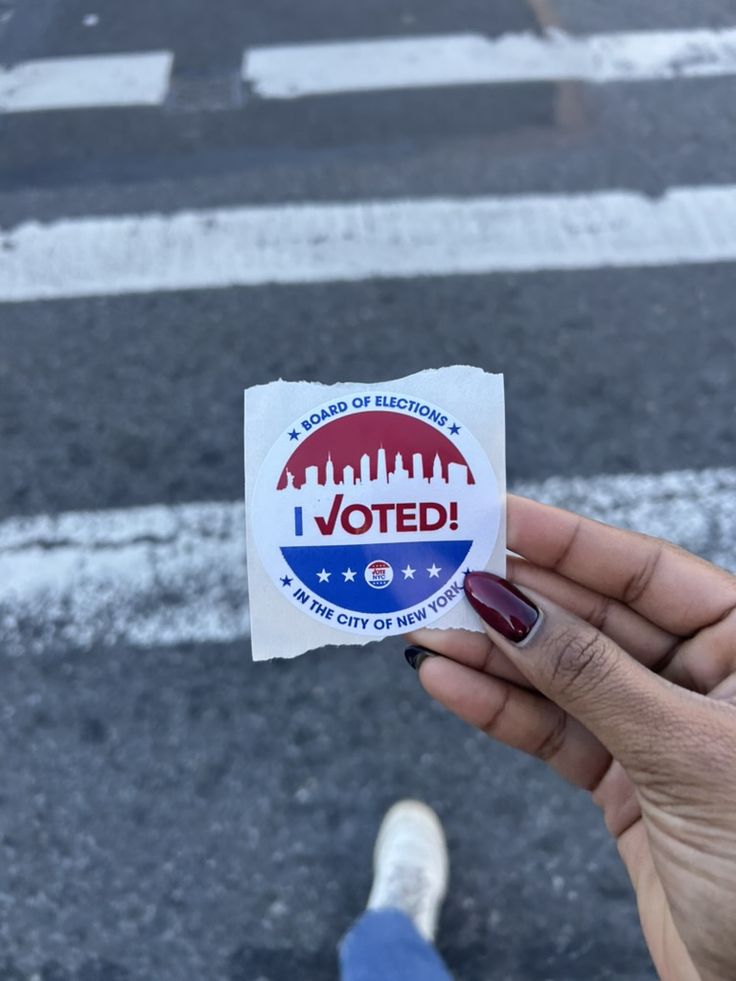
Voting is one of the most powerful ways to influence the policies that shape our food system. While presidential elections are important, local and state elections can have a more immediate impact on your community. Local elections have a direct impact on public health. School boards make decisions on school meal programs, state legislatures determine funding for nutrition initiatives, and members of Congress vote on legislation that affects programs like SNAP and WIC.
Before heading to the polls, take time to research candidates and learn where they stand on issues because an informed vote is one of the strongest tools you can have.
2. Contact Your Representatives
Calling, emailing, or writing to your local elected officials about issues like food insecurity, school meals, SNAP, or WIC lets them know what matters to the people they represent. You don’t need to be an expert; explain why the issue is important to you, share personal experiences from your community, and respectfully ask for support for the policies that improve these issues.
3. Advocate in Your Community
There are many ways to stay active within your community. You can attend school board meetings, town halls, and community forums. Make sure you are asking questions that lead to answers that create action.
- What policies do you support to improve maternal and child nutrition?
- How are you working to ensure every child has access to healthy school breakfasts and lunches?
- How are you considering the needs of low-income families when making decisions about food and health policy?
On top of this, attend or organize peaceful protests, marches, and community rallies to raise awareness and encourage others to care about this issue. When conducted safely and respectfully, they can draw attention to important public health issues. Advocacy is most effective when it’s consistent. Staying engaged helps ensure that important issues remain visible after the headlines fade.
Some ways I stay engaged:
- Researching food science, nutrition, and public policy, then translating that information into content for my blog, HerBalancedTable
- I volunteer in schools, where I teach about nutrition and food science through lessons and hands-on experiments. Early nutrition education helps students build healthy habits while encouraging curiosity and informed decision-making that can last and be shared for a lifetime.
- Voting and making it a priority to stay informed on current candidates.
You don’t have to do everything to make a difference. Staying engaged and active is the goal.
4. Volunteer & Support
As someone who attends a school rooted in service, I find this one of my favorite ways to stay involved. Food pantries play an essential role, but many programs also need volunteers to help with nutrition education, policy advocacy, voter registration, growing initiatives, and outreach. You can bring your talents anywhere, and they will be valuable to improve food access and nutritional education. Most of all, social media advocacy is at an all-time high. Sharing posts and videos, and creating your own, can all strengthen efforts to improve health outcomes.
No single person can solve food insecurity alone. But every phone call, every vote, every volunteer hour, and every act of advocacy contributes to a larger movement for change.
Food policy shapes health. The decisions made in legislative chambers, city halls, and school board meetings eventually show up on grocery store shelves, in school cafeterias, and on family dinner tables. Change happens when we all get involved. Let’s help build a future where everyone has the option to access nutritious food and healthcare.
“Our lives begin to end the day we become silent about things that matter.”
– Martin Luther King, Jr


