If you’ve ever researched PCOS, the chances are you’ve come across the phrase “insulin resistance.” It’s often labeled as the root cause or explanation for those weight changes or irregular periods. But what does that actually mean regarding what’s really happening inside our bodies?
Understanding insulin resistance is one of the most important steps to understanding PCOS and our relationship to it. So let’s break down the science.
What is Insulin?
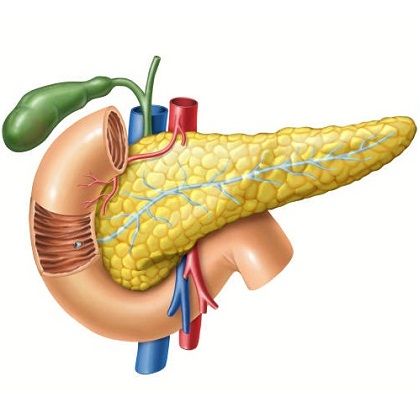
First, we need to answer the question of what exactly insulin is. Insulin is a hormone produced by the pancreatic beta cells, which are specialized endocrine cells located within the islets of Langerhans in the pancreas. These serve as glucose censors which help with synthesizing, storing, and releasing insulin.
After you eat, carbohydrates are broken down into glucose (sugar), which enters your bloodstream. Insulin unlocks your cells so that the glucose can move from the blood to your cells, where it can be used for energy. When everything is in check, insulin and glucose are a well-coordinated team. Blood sugar spikes after a meal, insulin is released, cells absorb glucose, and blood sugar returns to the normal range.
What is Insulin Resistance?
Resistance develops when the cells in your muscles, fat, and liver gradually become less sensitive to insulin, making it harder for the hormone to do its job. When insulin resistance develops, the signals become weaker. As a result, the GLUT4 transporters move to the surface of muscle and fat cells, making it harder for glucose to enter the cell. Instead of being used for energy, glucose builds up in the bloodstream.
Think of it like trying to have a conversation in a noisy room. If people stop hearing you, you don’t immediately stop talking; you raise your voice. Your body responds the same way. When cells stop “hearing” or responding to insulin’s message, the body responds by producing more of it in an attempt to get the message across. The problem isn’t the lack of insulin, as many people may have more insulin circulating in their blood than normal. The issue is that their cells have become desensitized to the signal.

Some signs you may have insulin resistance are:
- Constant fatigue
- PCOS symptoms
- Sugar cravings
- Slow healing
- Frequent hunger
- Dark skin patches
- Brain fog
Insulin Resistance & PCOS: What’s the Connection?
Insulin resistance is a huge factor in what drives PCOS. In fact, it’s estimated that 50-75% of people with PCOS have some degree of insulin resistance. Not only does the rise in insulin levels affect blood sugar, but it also influences hormone production.
High levels of insulin stimulate our ovaries to produce more androgens (male hormones) such as testosterone. While everyone naturally produces androgens, excess amounts can contribute to those symptoms like acne, irregular cycles, or hirsutism. On top of this, insulin can also decrease the liver’s production of sex hormone-binding globulin, a protein that binds to testosterone in the bloodstream. With less of this hormone available, more testosterone remains active, furthering the effects of the symptoms.
Not everyone with PCOS has insulin resistance, and not everyone with insulin resistance has PCOS. The relationship between these two conditions is strong and shows the importance of recognizing its role in PCOS symptoms and how improving insulin sensitivity is crucial for managing PCOS.
Can Insulin Resistance Be Reversed?
Insulin can be improved or managed because insulin sensitivity can change over time, depending on lifestyle, genetics, and overall health.
Ways to improve insulin sensitivity:
- Regular physical activity.
- Eating a balanced diet rich in fiber and minimally processed foods.
- Protein-rich foods help your insulin levels not spike, and food stops storing as fat.
- Proficient sleep.
- Managing stress levels.
Understanding insulin isn’t about fearing carbohydrates or chasing perfect wellness lifestyles; it’s about understanding how your body works so you can make informed decisions that support your long-term health. Knowledge is empowering, and the better you understand your metabolism, the better equipped you are to take care of it.
“I need insulin to stay alive. It’s just therapy to keep going. What I can do is make sure that I keep my blood sugar down to a reasonable level. I can exercise, and I can eat properly. And insulin plays a very big part in that.”
– Mary Tyler Moore


